



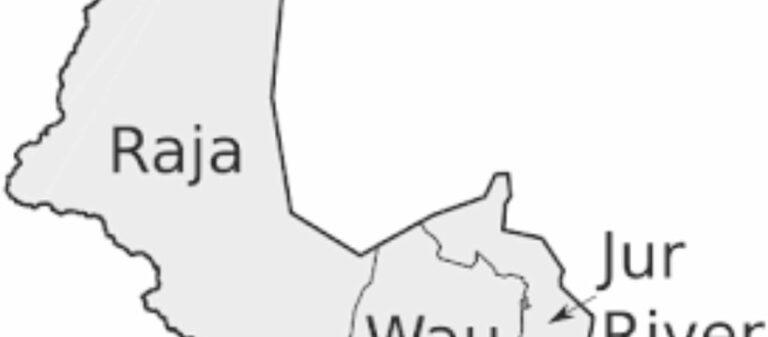
Community leaders in Marial Bai Payam of Jur River County, Western Bahr el Ghazal State, have appealed for urgent humanitarian assistance for more than 100 households displaced by a deadly attack last week.
Five people were killed and several cattle stolen when suspected armed youth from the Apuk Giir section of Warrap State carried out a nighttime raid on Manyang boma, local leaders said.
The violence occurred despite renewed calls for peace by President Salva Kiir during his recent tour of the Bahr el Ghazal region.
Speaking to Radio Tamazuj on Wednesday, Arkangelo Majur, youth chairperson of the Marial Wau community, said the attack had left hundreds of residents in need of humanitarian support.
“The humanitarian situation remains tense following the attack on June 14. Insecurity persists and humanitarian needs are growing, particularly in Manyang, Mabior Abun and Wungot,” Majur said.
He said women, children and elderly people who fled their homes in Nyinakok, Mabior Abun, Awany and Warayat were living in difficult conditions, with between 100 and 150 households displaced.
“We are appealing to humanitarian organizations to provide urgent assistance to those affected by the violence,” he said.
Majur condemned the killings and called on authorities in Western Bahr el Ghazal and Warrap states to investigate the attack and bring those responsible to justice.
He also urged the deployment of joint security forces to prevent further violence and appealed to leaders in Warrap State to publicly denounce the attack and strengthen efforts to protect civilians.
Manyang has experienced similar incidents in the past. Although the area has remained relatively calm over the past two years, it was affected by recurring violence in 2022 and 2023.

 and then