



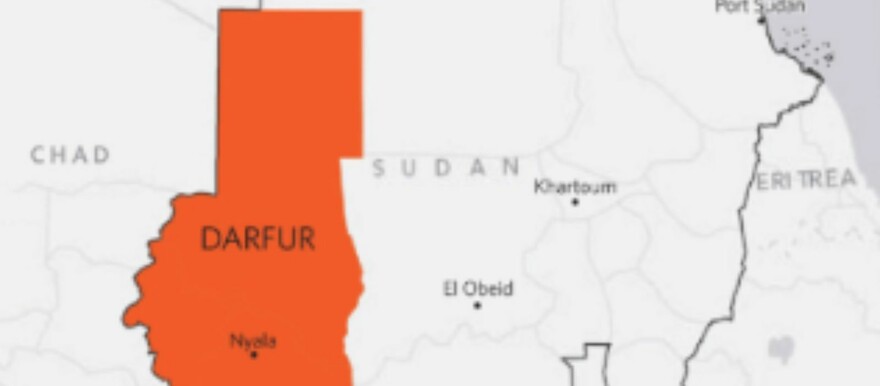
More than 215 civilians have died in a prison run by Sudan’s paramilitary Rapid Support Forces (RSF) in South Darfur due to disease outbreaks and harsh detention conditions, a Sudanese medical group said on Wednesday.
The Sudan Doctors Network said the deaths occurred inside Daqris Prison in May and June.
It said the deaths were caused by “the spread of diseases and epidemics, as well as torture and mistreatment of detainees, under detention conditions that lack even the most basic standards of healthcare and human dignity.”
The group also said 31 detainees, including children, were transferred to a hospital in Nyala more than two weeks ago despite showing no apparent illness, adding that “their fate remains unknown amid growing fears about their safety.”
It said it had received reports that the RSF had been extracting blood from detainees to treat wounded fighters.
The network called for an immediate end to arbitrary detention, access for humanitarian and medical organisations to detention facilities, and disclosure of the fate of all detainees.
It also urged international and human rights organisations to pressure RSF leaders to protect civilians and hold those responsible for violations accountable under international law.
Sudanese authorities and rights groups estimate that more than 19,000 military personnel and civilians, including children, are being held by the RSF in Darfur.
RSF officials in the area could not immediately be reached for comment.
Sudan has been in conflict since April 2023, when fighting erupted between the army and the RSF over plans to integrate the paramilitary force into the armed forces. The war has triggered a major humanitarian crisis, killing tens of thousands and displacing nearly 13 million people.

 and then