



The Transitional National Legislative Assembly (TNLA) on Wednesday referred the private member’s Public Holiday Bill, 2026 back to its committee after the second reading, directing the committee to work in collaboration with the Ministry of Labour and the Ministry of Public Service.
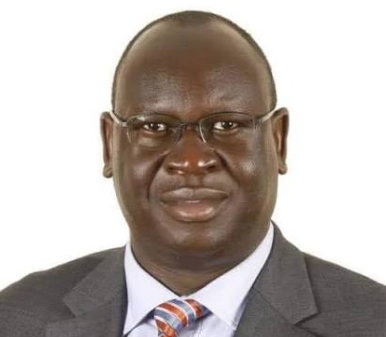
The bill was first tabled on 29 July 2026 by lawmaker Dengtiel A. Kuur, to establish a legal framework to govern public holidays in gSouth Sudan. It was referred back after lawmakers called for further consultation and scrutiny.
The proposed legislation seeks to reduce the number of days observed as national, international and religious public holidays to one working day in cases where multiple days are currently observed, a move intended to balance religious observance with economic and public productivity.
Speaking during the deliberations, Labour Minister Anthony Lino Makana welcomed the bill but urged lawmakers not to rush its passage, saying broader consultations were necessary to make the legislation comprehensive.
“This is something I want the August House to take notice of so that we do not pass something and then tomorrow there are complaints,” he said.
Makana said the committee should consult key stakeholders, including the Ministry of Labour, Ministry of Public Service, Ministry of Justice, employers, trade unions, the Chamber of Commerce, religious councils, traditional leaders and civil society organizations.
He also called for the bill to clearly distinguish between national, religious, cultural and international holidays, while addressing the difference between fixed and movable holidays such as national anniversaries, Easter and Ramadan.
According to Makana, the legislation should also assess the economic impact of public holidays and establish exemptions for essential services, including health facilities, electricity, water services and security institutions. He said workers required to serve during public holidays should be compensated either financially or through days off in lieu.
The minister further urged lawmakers to consider what should happen when a public holiday falls on a Saturday or Sunday, working hours on the eve of holidays, enforcement mechanisms and penalties, as well as the need to respect freedom of worship and religious practice.
Makana also proposed that the government publish the following year’s public holiday calendar by December each year and retain certain powers for the President to declare special public holidays or days of national mourning when circumstances require.
Former Labour Minister Gen. James Hoth Mai, who represents Ulang County in Upper Nile State, said South Sudan must clarify whether it considers itself a religious or secular state as it develops a comprehensive framework for public holidays.
“It is very important, and, you know, the Republic of South Sudan, we do not know whether we are a religious state or a secular state,” he stated. “Up to now it is not clear.”
Gen. Hoth said the existing government booklet provides for 16 public holidays annually, including three days each for Eid al-Adha and Eid al-Fitr and three days for Christmas, with other holidays generally observed for one day.
He said the existing arrangement also allows institutions and local entities to observe additional days without making them national public holidays.
The former minister cautioned against excessive holidays, saying prolonged closures could affect productivity and create difficulties for workers and businesses. He also supported provisions stating that when a holiday falls on a weekend, it should not automatically result in compensation or an additional working day.
He further said days declared for mourning should not necessarily stop economic activity, arguing that people could observe mourning while continuing to work.
Gen, Hoth also called for essential businesses and services such as hospitals, clinics, hotels and restaurants to remain operational during public holidays, while allowing individuals to participate in religious or cultural observances.
The two lawmakers agreed that the bill requires further consultation before returning to the Assembly for consideration, with the committee expected to work with the relevant ministries and stakeholders to address outstanding concerns.

 and then