



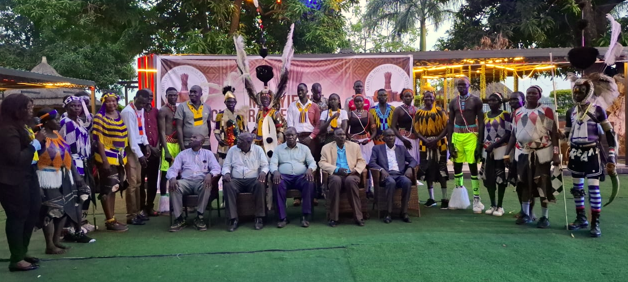
Organizers of the Monyemiji Cultural Festival say they plan to use a cultural gathering in Juba in February 2027 to reconnect young people with traditions they fear are becoming less familiar to children growing up away from their ancestral communities.
The festival committee officially launched the initiative in Juba on Sunday evening and invited members of the Monyemiji communities living in South Sudan and abroad to support the preparations and participate in the celebrations.
Otwari James Odiongo, chairperson of the festival, said Juba was chosen because many children and young people growing up in the capital have limited knowledge of their cultural traditions.
“Most of the young children and most of the youth who have grown up in Juba do not know their culture,” he said. “So, we want to make this festival happen in Juba as an introduction to the young generation so that they can learn their culture and the tradition.”
Odiongo said the festival will bring together communities from different parts of Eastern Equatoria, including the Dongotono, Logir, Lango, Bira, Lotuko, Lopit and Lokoya, among others.
He called on people living in Juba, other parts of the country and the diaspora to support the initiative, saying the organisers hoped to make the event a shared celebration of their cultural heritage.
He added that the committee hoped to take the festival to Torit in the future after holding the planned gathering in Juba.
Meanwhile, Zacharia Ebul, a Monyemiji elder who addressed the launch, urged families to take responsibility for teaching children their cultural traditions, saying cultural identity was important in helping people understand their origins and sense of belonging.
He said bringing children to cultural gatherings would help them learn about their heritage and understand the traditions of their communities.
“If we do not tell our children our culture, they will not know where they belong,” he said, encouraging parents to continue exposing young people to traditional practices.
Ebul also urged community members not to feel ashamed of their cultural identity, including those living abroad, saying cultural traditions deserved to be preserved and celebrated wherever people settled.
The launch featured traditional dances and cultural displays by young men and women, which Ebul described as an important way of demonstrating the identity of the community.
The organisers said the February 2027 festival would be open to members of the communities who register to participate. The registration fee was announced at 250,000 South Sudanese pounds.
Odiongo said the initiative was not entirely new, recalling that a similar gathering involving Otuho-speaking communities was held in 2010. However, he said the forthcoming event would be organised specifically as the Monyemiji Cultural Festival.

 and then