



South Sudan’s Council of Ministers has approved further amendments to the National Elections Act, 2012, as amended in 2023, as preparations continue for the country’s planned general elections in December.
The proposed changes would restore the 102 geographical constituencies used in the 2010 elections and provide for a 332-member National Legislative Assembly.
The amendments were presented by Justice and Constitutional Affairs Minister Wek Mamer Kuol during a Cabinet meeting on Friday chaired by President Salva Kiir
They will now be submitted to the Transitional National Legislative Assembly for consideration and approval before being presented to the president for assent.
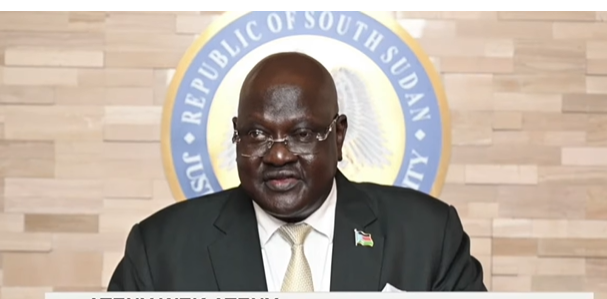
Information Minister Ateny Wek Ateny said the amendments are intended to update the electoral framework and facilitate preparations for the December 2026 elections.
The proposed parliament would include representatives elected from geographical constituencies, as well as members representing political parties and affirmative-action categories, including women, youth, minorities and people with disabilities.
Ateny, who is also the government spokesman, said the amendments would also remove provisions linking the conduct of elections to the completion of a population census.
The Cabinet also approved amendments to the Emoluments Act 2012 concerning housing and other benefits for constitutional office holders.
Under the proposed changes, former office holders would have up to three months to vacate government residences after leaving office, Ateny said.
It also endorsed plans to construct a one-stop border post at Nimule, South Sudan’s main border crossing with Uganda, aimed at reducing multiple checkpoints and paperwork affecting the movement of people and goods.
The Cabinet further approved changes to the school calendar to allow national primary and secondary examinations to be completed in November, ahead of the December elections. Schools could then be used as polling centres.
The Cabinet’s decision comes as the National Elections Commission steps up preparations for the December polls, which are expected to mark the end of the transitional period.
Separately, the National Elections Commission (NEC) has established High Elections Committees for the Greater Pibor, Ruweng and Abyei administrative areas.
An order signed by NEC Chairperson Abednego Akok Kacuol on 10 September appointed three members to each committee: a chairperson, deputy chairperson and member.
The commission said the appointments are part of its mandate to establish electoral committees at administrative-area level.

 and then